
The Power of Ritual
Alleviating Misconceptions and Harnessing Rituals for Everyday Life
For many, the word “ritual” evokes an immediate visceral reaction, shaped by years of conditioning through religion, family, cultural influences, and media. Films and images of human sacrifice or witchcraft often come to mind, causing people to dismiss ritual practices outright. However, rituals are deeply embedded in our daily lives—whether it’s blowing out candles on a birthday cake (a tradition dating back to ancient Greek candle magic honoring Artemis) or participating in Holy Communion, which symbolically invites the presence of Jesus into one’s life. Even military processions are steeped in ritual. Rituals provide comfort and meaning, especially during times of change.
Historical Origins of Ritual
Rituals have been an integral part of human culture since the earliest totemic cults, believed to be the foundation of human religious and spiritual practice. Ancient civilizations used rituals for purification, gift-giving, cultural festivals, rites of passage, and worship of deities or nature.
Defining Ritual
Anthropologists and sociologists have long studied rituals, identifying a fundamental division in human experience: the sacred versus the profane. Emile Durkheim’s work, The Elementary Forms of Religious Life, describes this dichotomy—where sacred things, places, rituals, and ideas hold a sense of awe and reverence, while the profane pertains to ordinary, secular aspects of life. Although these categories are mutually exclusive, an object can shift between them depending on context. For instance, water in a river is ordinary, but when used in a baptism, it becomes sacred. Hence the dichotomy.
“Understanding the origins of rituals helps us see why they hold power in our lives today. Let’s explore what defines a ritual and why they continue to be so impactful.“
Characteristics and Rules of Rituals
The way societies define what is sacred and what is profane varies across cultures. A ritual that is revered in one tradition may be seen as meaningless—or even taboo—in another. Even seemingly universal rituals, like singing “Happy Birthday,” differ subtly in wording and execution across cultures. What sustains these traditions is the ritual of initiation, which reinforces group identity, beliefs, and values.
Key Characteristics of Rituals:
- Emotional Impact – Rituals evoke feelings of awe, respect, fascination, peace, or even dread.
- Belief-Based – They are rooted in mythology or a system of belief.
- Symbolism – Rituals rely on symbols that hold deep meaning within their cultural or spiritual context.
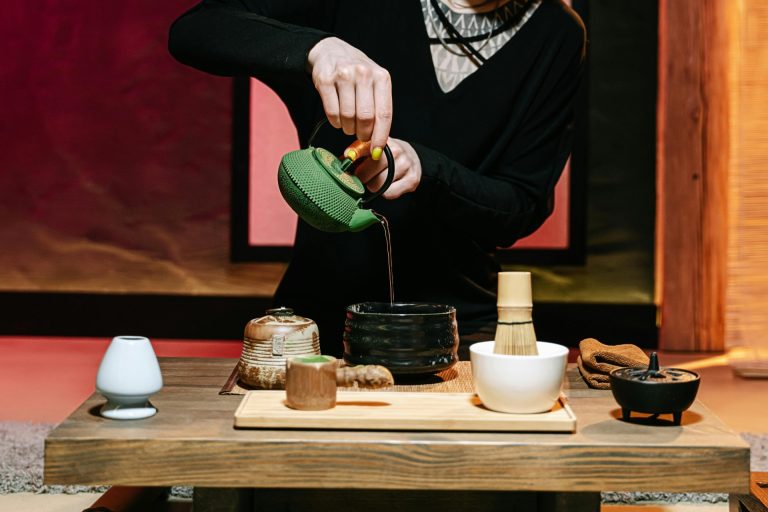
- Sacred Space & Time – Rituals often take place in designated spaces (temples, altars, natural settings) and at specific times to enhance their meaning.
“Ultimately the efficacy of the ritual is measured by how much closer to God it brings you.“
— Jannion
Types of Rituals
Imitative Rituals
These rituals symbolically reenact myths or desired outcomes. For example, indigenous rain dances are performed to invoke rainfall by mimicking its presence.
Positive & Negative Rituals
- Positive rituals promote healing, well-being, and prosperity.
- Negative rituals (such as hexes or revenge spells) often invite undesirable consequences and are discouraged in most traditions. Western culture, influenced by religious doctrine and media, has disproportionately focused on these taboo practices.
Sacrificial Rituals
Sacrifice can take many forms—human or animal (in historical contexts), food offerings (cakes, milk, flowers), or symbolic acts of surrender. The destruction of an offering serves as a dedication to a deity or intention.
Rites of Passage
These mark significant life transitions, such as birth, marriage, coming of age, and death. They signify leaving an old stage of life behind and entering a new one.
Who Can Perform Rituals?
Humans have an inherent desire to connect with a higher consciousness, often referred to as God, Spirit, or the Universe. Historically, religious institutions have claimed exclusive rights over ritual practices, discouraging individuals from engaging in personal ceremonies. However, anyone can perform rituals.
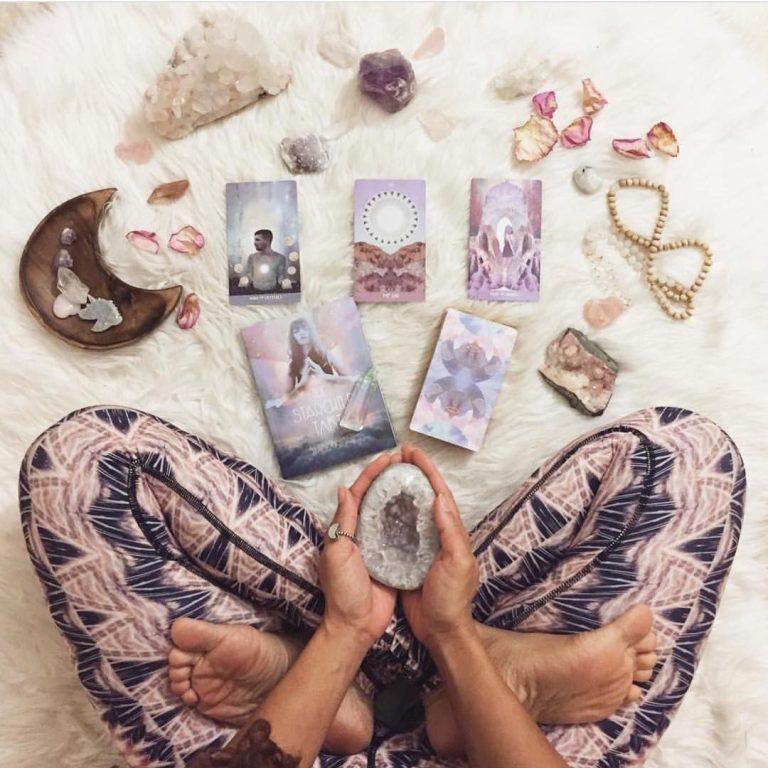
By setting an intention, creating a sacred space, and using meaningful objects, individuals can reclaim the power of ritual. For example, a mother might place crystals on an altar, each representing a loved one, and imbue them with sacred intentions. This simple act elevates prayer into a powerful ritual.
I’ve turned my morning yoga practice into a ritual. I dedicate my practice to the life that is breathing through me. I seek this Unity, this communion daily and it has become my haven. With a burning candle, some musky incense and an oracle card ready, this combination aligns me with the guidance I need throughout my day. During my devotional yoga session, I receive so many insights that at times I need to keep a journal with me to record them. I share this with you to illustrate how almost anything can be made sacred, just by you declaring it so.
A common myth is that rituals are only reserved for spiritual, indigenous or religious people. In fact it is available to everyone to perform with equal effect.
Common Intentions in Ritual Practice
- Releasing old patterns or states of being
- Inviting new identities or experiences
- Prayers for healing and well-being (self or others)
- Protection for self, family, and loved ones
- Offering gratitude to Life or a higher power
- Seeking clarity in relationships
- Manifesting abundance and success
Practical Rituals for Everyday Use
Turning the Ordinary into the Extraordinary
While habits can resemble rituals, the key distinction is intention. Mindfully brushing one’s teeth, for instance, can be transformed into a grounding ritual by focusing on the present moment, rather than mindlessly going through the motions. This small shift in awareness can reduce stress and enhance overall well-being.
I have emphasized these very humble and simple mindfulness practices in my online course called MindMastery. Just by being present and giving your devoted attention to your senses, you draw to you the power of the Universe in small but very useful increments that eventually build up into a new way of life, with remarkably reduced anxiety, avoidance, control, and fear.
Creating a Sacred Space
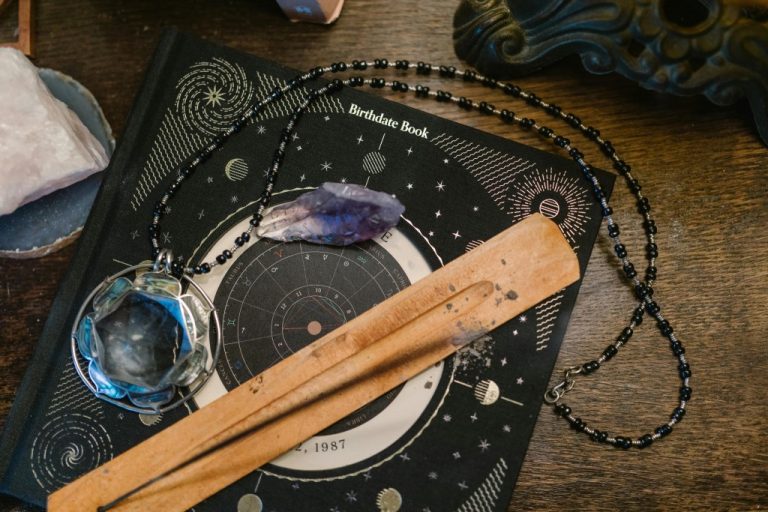
Building a personal altar can serve as a meditation, reflection, and devotion space. Here, one can listen to guided recordings, journal intentions, or perform simple ceremonies like writing down burdens and burning them as an act of release. Let the smoke carry your prayers to your Higher Power. Aligning these rituals with lunar cycles—such as setting intentions during a new moon or letting go during a full moon—can further amplify their power.
Conclusion
Rituals are not just relics of ancient traditions or religious institutions; they are woven into our daily lives, providing structure, meaning, and transformation. By recognizing the power of ritual and consciously integrating it into our routines, we can cultivate a deeper sense of connection, healing, and purpose.
Short self-guided ritual
Step 1: Find a space in your home or garden that you feel is private enough and special enough for you to engage in a ceremony.
Step 2: Safely burn a candle as a symbol of the light that lives inside of you. Let it act as a guide for your ritual.
Step 3: Fill a glass with pure clean water
Step 4: Sit in your sacred space. Keeping your eye on the candle. Hold the glass of water and send loving thoughts about yourself and your life from your mind through your hands and into the water. Allow the water to hold the memory of your well wishes. Say a prayer out loud or to yourself that affirms the wonderful person you are. Send this water a message that you wish it to amplify your wishes 10 fold. Keep holding the very best intentions for your physical and mental wellbeing. See yourself happy and healthy.
Step 5: Drink this water mindfully and with gratitude. Say to yourself: Let this water carry its healing properties to every one of my cells. May I absorb the best from this experience and discard what I don’t need. Feel the cool refreshing water trickle inside your body and feel the happiness that comes with this experience.
Step 6: Repeat this experience for 33 days and notice what changes. Keep track of your days.
(Note: If you battle to hold positive intentions for yourself for an extended period of time, it would indicate that you would do well to develop mindfulness and mental fitness, as a practice to gain mastery over where you place your thoughts)
Explore Ritual Practice Further
If you’d like a ritual starter kit, check out my Chakra Kits in my shop. These kits contain tools to help you create meaningful rituals that support healing and transformation at every level of life.
Love this. Well written.
Your appreciation is appreciated
Thought provoking
Thank you
Always my pleasure to provoke thinking.